
Valley heat rejection film
Solar Control Window Film for Sacramento Commercial Buildings
Central Valley summers put a commercial building's glass under months of clear, high sun. Solar control film rejects a share of that energy at the window, so cooling plants stop chasing the west side of the building every afternoon.
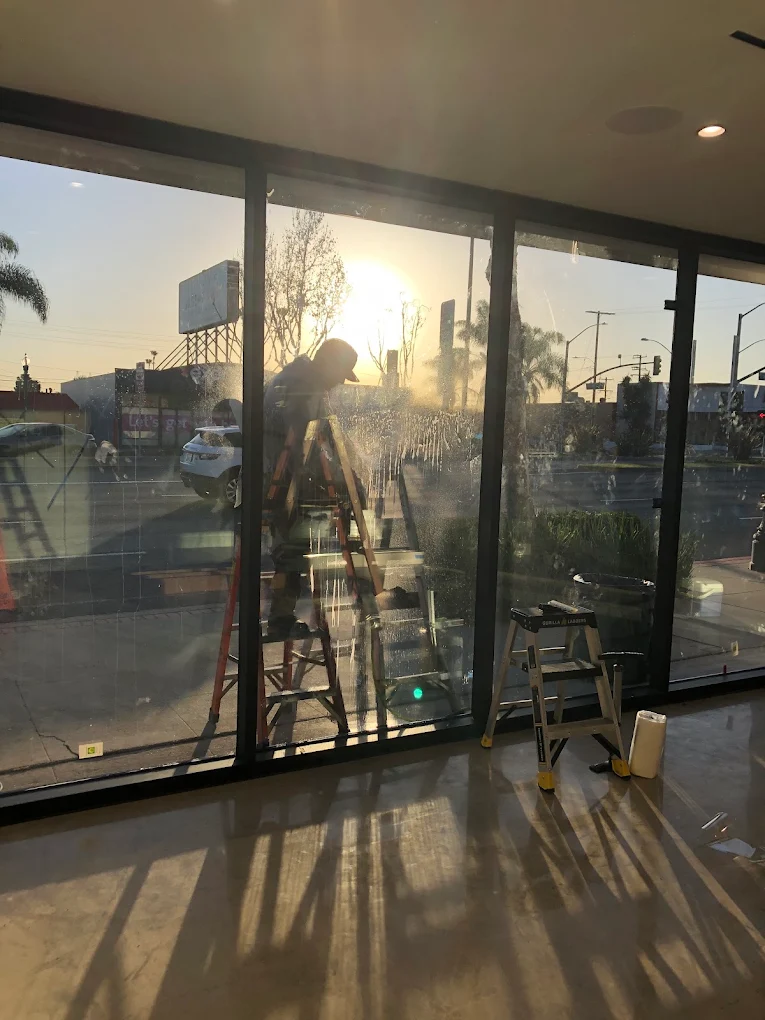 Sacramento
Solar Heat Gain on Sacramento Commercial Glass
Sacramento's cooling season is shaped by dry air and clear skies. With so little summer cloud, a building's glass sees direct sun for most of the day from late spring into early fall. East glass loads the building in the morning, south glass carries a steady load through midday, and west glass delivers the hardest punch in the late afternoon, just as outdoor air peaks and the building is fully occupied.
Facilities teams see that pattern on their building automation trends: perimeter zones on the west climb through the afternoon while interior zones hold steady. On older buildings with single-pane tinted glass, the gap is wide. On newer buildings with insulated, coated units it is smaller, but large glass areas still add up. Solar control film targets that perimeter load directly at the source.
Matching Solar Film to Curtain Walls, Storefronts and Older Glazing
Commercial glass in the region spans several generations. Mid-century state office buildings around the Capitol and older low-rise offices along Highway 50 often have single-pane bronze or gray glass. Buildings from the 1980s and 1990s in South Natomas and Rancho Cordova commonly have reflective or tinted insulated units. Newer towers downtown and medical buildings in Roseville and Folsom typically have spectrally selective coatings already in place.
The right film depends on which of those you have. Older single-pane glass can take a stronger film and see a large change. Coated insulated glass needs a film that complements the existing coating rather than doubling up on absorption. We identify the glass type on site, look for edge damage and failed seals, and check every proposal against the film maker's glass compatibility guidance before quoting.
- Single-pane tinted glass in mid-century offices
- Reflective insulated units from the 1980s and 1990s
- Spectrally selective curtain walls in newer towers
- Storefront and clerestory glass on retail and warehouse buildings
Interior Versus Exterior Solar Control Film
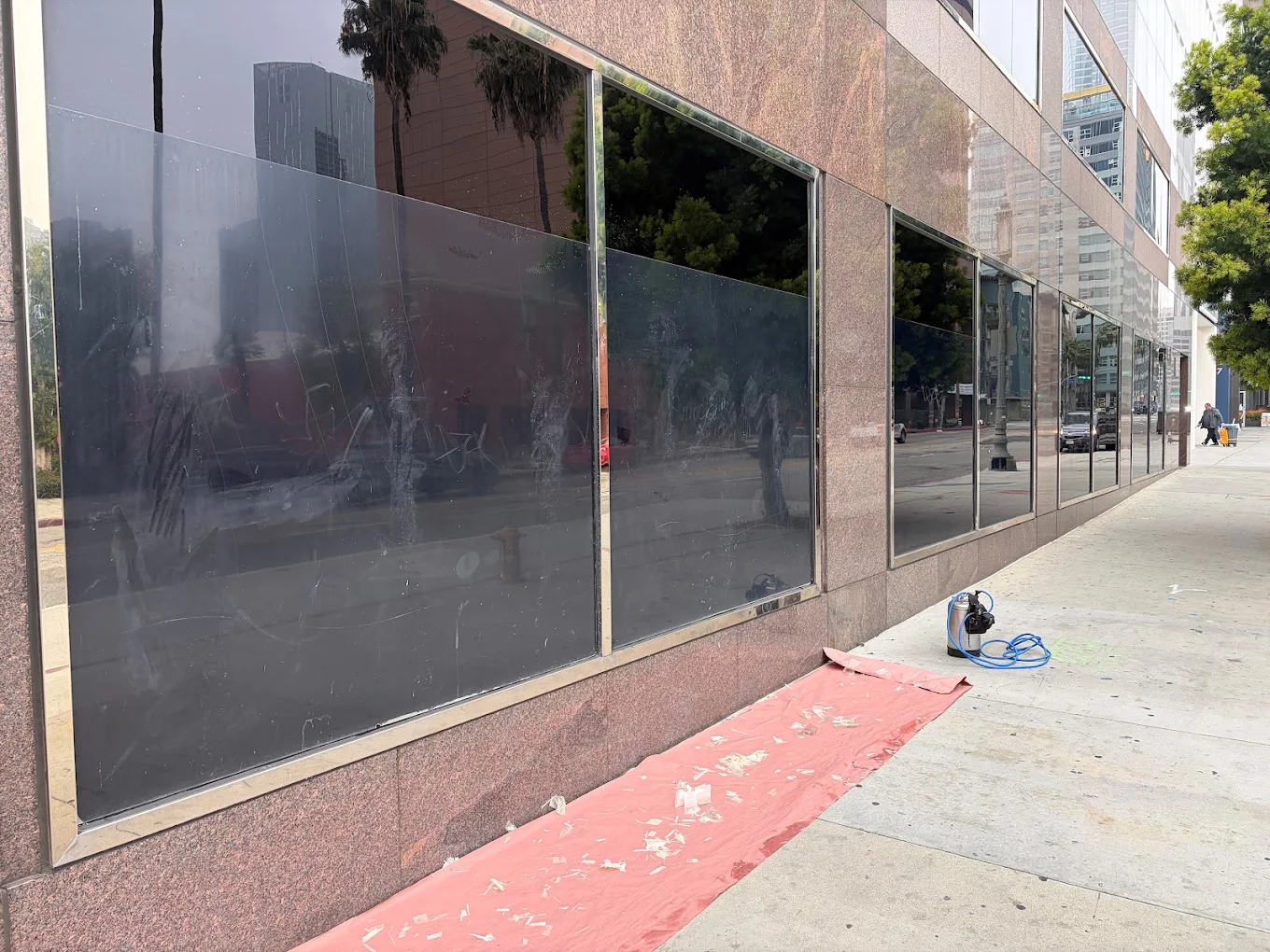
The usual install is room-side, sheltered from rain, dust and ultraviolet, which gives the longest working life. On some insulated units, though, an interior film can raise the temperature of the inner pane too much, and an exterior film is the safer path. Exterior film stops heat before it enters the glass at all, which also makes it effective on glass that is hard to reach from inside, such as atrium skylights or high clerestories.
The trade-off is service life. Exterior films face Sacramento's long summer sun and winter rain directly, so they wear sooner than interior films. We explain both options and the maintenance each one needs, and we let the building engineer weigh them against access and budget.
Solar Film, SMUD and PG&E Peak Hours, and Title 24
Commercial tariffs from SMUD and PG&E generally load their highest charges onto the hours when regional demand crests, roughly the end of the business day into dinner time. That is the same window when west-facing glass is delivering its worst heat. Trimming the solar load on those elevations lowers the cooling demand during the most expensive part of the day, which is why owners often film the west side first.
Title 24, Part 6 sets the rules for new glazing whenever windows are swapped out or a building is built new. Film laid onto existing panes sits outside that process, so think of it as an operating upgrade, never as a shortcut around the code. When film is part of a larger project, we provide the performance data a designer or energy consultant needs for their own calculations.
Phasing a Solar Control Film Project in an Occupied Building
Large buildings are rarely filmed all at once. A common approach is to start with the elevation that generates the most complaints, measure the change through a summer, then decide on the rest. Hospitals, schools and state facilities often prefer this because it fits annual budgets and lets them confirm results with their own trend data.
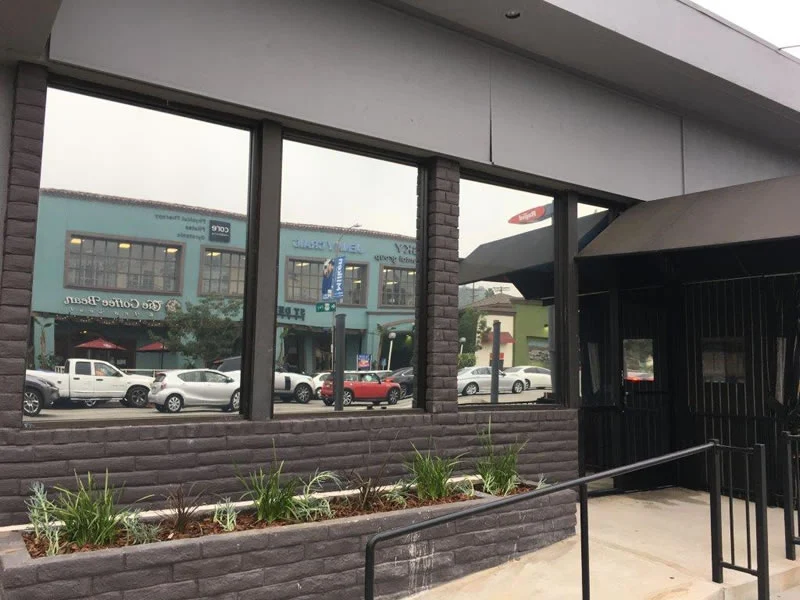
Installs in occupied space run after hours, floor by floor, with clear coordination on access, elevators and security. We provide a written schedule, protect furniture and floors, and leave the cleaning staff with care instructions. Exterior work on low-rise buildings can run during the day with simple ground access.
Solar Control Film Results for Sacramento Facilities
Less Afternoon Heat Load on West Elevations
Rejecting solar energy at the glass cuts the late-day spike on west perimeter zones. Rooftop units and air handlers run steadier, and the gap between perimeter and interior temperatures narrows.
Solar Film Trims Cooling Demand at Utility Peak
The worst solar gain lines up with the most expensive hours on SMUD and PG&E commercial rates. Trimming that load is where solar film contributes most to an operating budget.
Solar Film Matched to Existing Commercial Glazing
Every proposal starts with identifying the glass and checking compatibility. That protects insulated units and coated glass from excess heat stress and keeps glass coverage concerns out of the picture.
Glare and UV Control Across Large Glass Areas
The same film that rejects heat also cuts glare at workstations and blocks nearly all ultraviolet. Lobbies, open offices and classrooms get more usable daylight with less fading on finishes.
Solar Control Film Questions From Sacramento Building Owners
Does heat-rejecting film turn a Sacramento facade into a mirror?
Not unless you ask for that look. Many of today's heat-rejecting films keep outside reflectance close to plain glass, which keeps owners' associations and architects comfortable.
Can solar film crack insulated glass?
The risk is real when a dark, absorptive product goes on a pane that cannot shed the extra warmth. We assess the glazing and check the film maker's compatibility guidance first, and recommend exterior film when interior film would be risky.
Which side of the building should we film first?
In Sacramento, usually the west, then the south. Those elevations carry the heaviest afternoon load. Trend data from your building automation system can confirm where the biggest swings happen.
Will this film do anything for us between November and February?
Very little; ordinary solar products are built for the cooling season. If winter comfort near older single-pane glass is also a concern, low-E film adds insulating value along with solar control.
How long does commercial solar film last?
Interior film lasts many years, and exterior film somewhat less because it faces the weather. The film maker's warranty sets the term for each product we propose.
Window film quote
Request a Solar Control Film Assessment in Sacramento
Send the building address, the elevations that run hot and any glass specs or drawings you have. We will propose films matched to your glazing and a phased schedule that fits the budget year.
Prefer email? info@windowfilmsacramento.pro