
Sacramento low-emissivity film
Low-E Window Film in Sacramento
Plenty of Sacramento buildings still run on single-pane glass that is too hot in August and cold to sit beside in January. A low-emissivity film retrofits those panes with a heat-reflecting layer, and every original frame stays put.
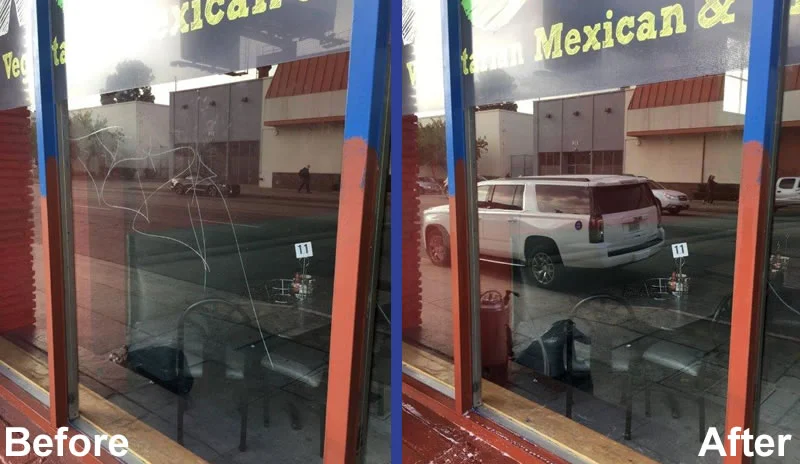 Sacramento
How Low-E Film Changes Single-Pane Glass in Sacramento
A low-emissivity film has an extremely fine metal layer, and that layer bounces long-wave heat back toward its source. In summer it works like a solar film, turning back a portion of incoming solar energy at the pane. In winter it reflects the warmth radiating from people, furniture and heated air back into the space instead of letting it pass out through cold glass.
That second effect is what separates it from ordinary solar film. Sacramento winters are mild by national standards, but weeks of gray tule fog and nights near freezing make single-pane glass feel cold to anyone sitting beside it. Low-E film raises the surface temperature on the room side of the glass, so the draft-like chill near the window eases and heating runs less.
Buildings in the Sacramento Region That Benefit Most
Our strongest low-E jobs tend to be properties with acres of original glass and no replacement line item in the next few capital plans. Around downtown and the Capitol, that includes many mid-century office buildings and some state facilities. In older neighborhoods, it includes churches, schools, community centers and professional offices in converted houses. Across the suburbs, early office parks and retail centers built before insulated glass was common often fit the profile too.
For these owners, full window replacement means scaffolding, permits, Title 24 requirements for the new units, and in some cases preservation review. Low-E film changes the performance of the glass already in the frame, which keeps the work inside the building and the cost far below replacement.
- Mid-century offices with single-pane bands of glass
- Schools and churches with large original windows
- Converted Midtown and East Sacramento homes used as offices
- Early suburban office and retail buildings
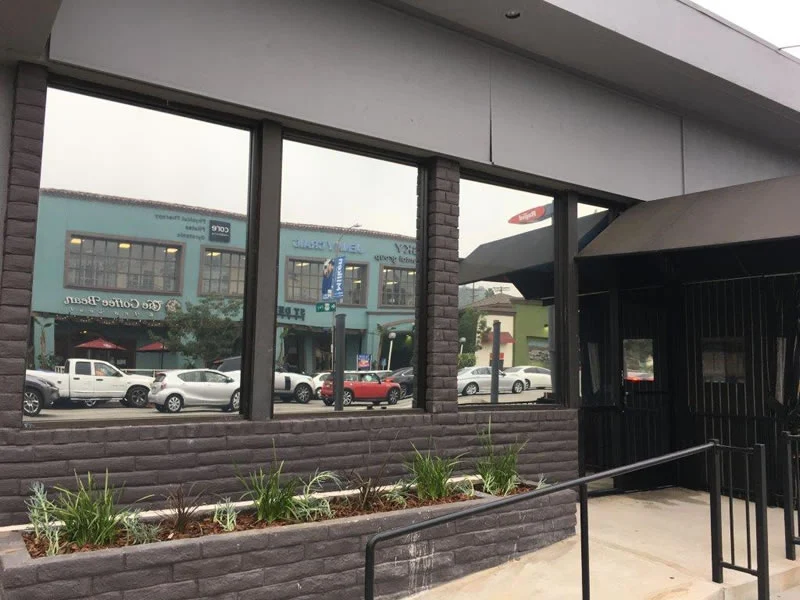
Low-E Film Versus Replacing Windows in Older Buildings
New insulated windows outperform film on a single-pane frame, and we say so plainly. But replacement is a capital project with long lead times, and many owners cannot justify it on buildings that are otherwise sound. Low-E film is an operating-budget upgrade that can go in over a few nights or weekends while tenants keep working.
In buildings that are listed or sit in a Sacramento historic district, interior film also leaves original sash, frames and glass in place. That avoids most of the questions that replacement would raise, though we still suggest a quick check with the city's preservation staff when the building's windows are a character-defining feature.
Comfort Near the Glass in Winter and Summer
Comfort complaints near single-pane glass come in two seasons. In summer, people near west and south windows feel radiant heat from the sun-warmed glass. In winter, the same people feel the cold surface pulling heat from their bodies, even when the thermostat says the room is fine. Low-E film improves both, which is why facility managers often hear fewer complaints from the same desks all year.
The film also blocks nearly all ultraviolet light and reduces glare, which helps classrooms and offices where the original glass is clear. Appearance varies by product, from near-neutral to lightly reflective, and we show samples on site so the building's look stays acceptable to owners and tenants.
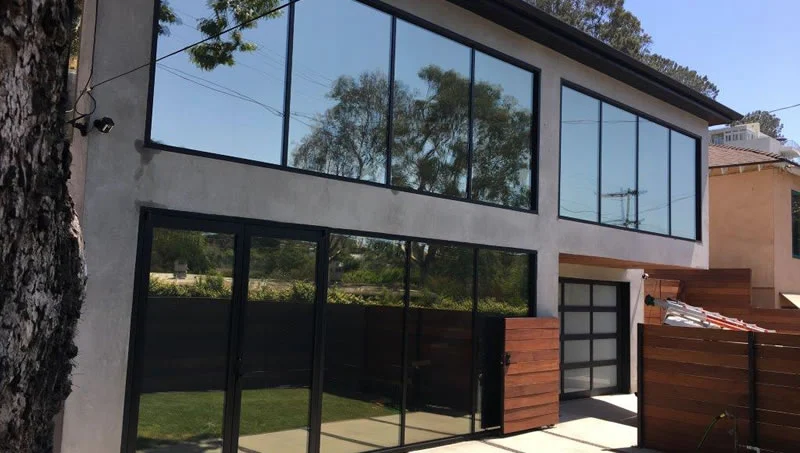
Installing Low-E Film in Schools, Offices and Churches
Installs follow the building's calendar. Schools usually book summer or winter breaks, churches work around services and events, and offices go after hours. Older glass is inspected first for cracks, loose glazing putty and edge damage, since film should not go on panes that are already failing.
Low-E film is applied to the interior face and cleans like any other film once cured. We leave written care instructions, since custodial crews in older buildings sometimes use scrapers that would damage the coating.
Low-E Film Benefits for Sacramento Building Owners
Warmer Glass Surfaces on Foggy Sacramento Days
Reflecting indoor heat back into the room raises the temperature of the glass surface people sit next to. Desks and pews near old single-pane windows feel less chilly through gray winter weeks.
Lower Summer Heat Gain Through Single-Pane Glass
The same coating rejects part of the summer sun's energy, so west and south rooms gain less heat on long valley afternoons. The building gets a year-round improvement from one install.
Low-E Film Keeps Original Windows in Place
Film improves the glass already in the frame, avoiding scaffolding, replacement permits and the disruption of new windows. Older and historic buildings keep their original sash and appearance.
Less Glare and UV Through Clear Older Glass
Clear single-pane glass lets in strong glare and ultraviolet. Low-E film cuts both, which protects floors and furnishings and makes screens easier to read in classrooms and offices.
Sacramento Low-E Window Film FAQs
Is low-E film worth it in Sacramento's mild winters?
For buildings with single-pane glass, yes. The winter benefit is real on foggy days and cold nights, and the film also cuts summer heat gain, so it works in both seasons rather than one.
Is low-E film useful on insulated windows too?
Occasionally. The improvement shrinks on dual-pane units, and heat stress must be checked. Low-E film delivers the biggest improvement on single-pane glass. We assess each glass type before recommending it.
Does low-E film make windows look reflective?
Some products have a slight sheen, and others are close to neutral. We tape samples on your glass so owners and tenants can see the look in daylight and at dusk.
Does low-E window film meet Title 24?
Title 24 sets requirements for new and replacement windows. Film applied to existing glass is generally a retrofit improvement, not a substitute for those requirements. We supply performance data if your consultant needs it.
Window film quote
Price Low-E Window Film for an Older Sacramento Building
Describe the property, roughly when the glass went in, and which rooms people grumble about in July and in January. We will recommend a low-E film and an install plan that fits your calendar.
Prefer email? info@windowfilmsacramento.pro