
Valley heat film
Heat Control Window Film for Sacramento Homes
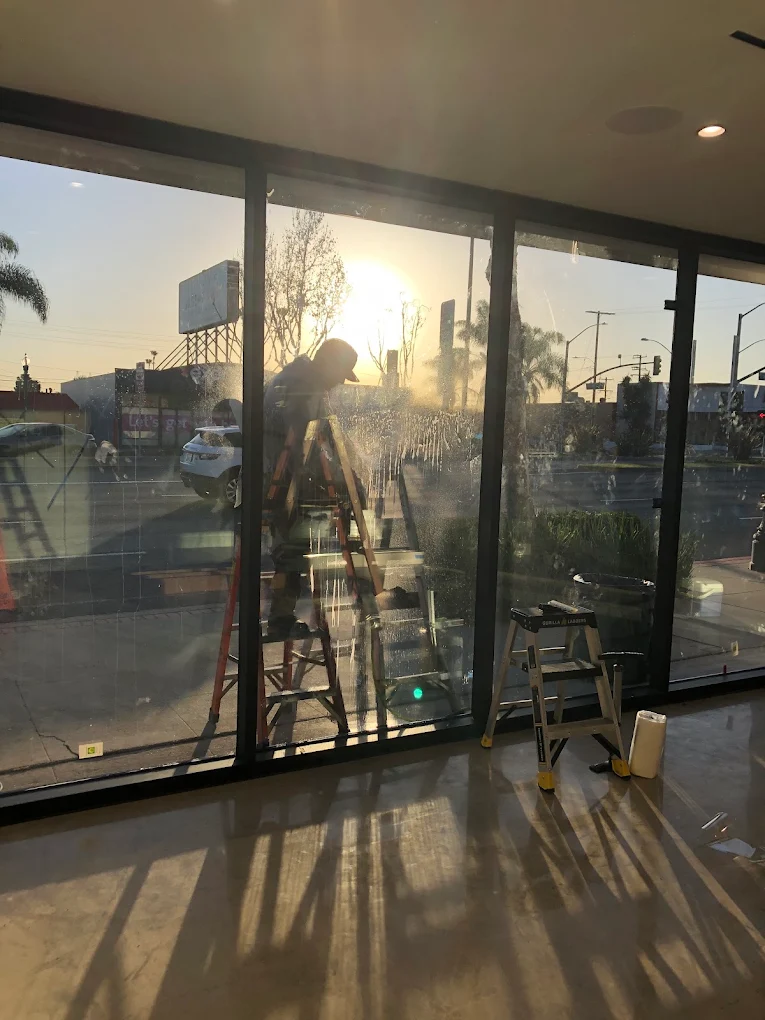
Sacramento summers are dry, bright and long, and the hottest part of the day lines up with the sun dropping straight into west windows. Heat control film targets that glass so the rooms behind it stop running hotter than the rest of the house.
 Sacramento
Why Sacramento Windows Run So Hot in Summer
The Sacramento Valley gets very little summer rain and very few clouds, so the sun shines on the glass nearly every day from late spring into October. Afternoon highs above one hundred are routine during heat waves. Dry air lets sunlight arrive at full strength, and a west-facing window can turn into the warmest surface in the room by four o'clock.
Evenings usually bring relief when the Delta breeze pulls cooler air up from the Carquinez Strait, but the timing is uneven. Some nights it arrives early and drops the temperature fast. During a heat dome it may not come at all, and the house carries the afternoon's heat straight into the next morning. Reducing what comes through the glass in the first place is the reliable part of the equation.
How Heat Control Window Film Works on Valley Sunlight
Solar energy reaching a window is part visible light, part infrared and a smaller slice of ultraviolet. Heat control films use metal or ceramic layers that reject a large share of the infrared and nearly all of the ultraviolet, while letting a chosen amount of visible light through. Spectrally selective films are built to keep the view and daylight while cutting heat, which suits most living spaces.
Darker or more reflective films reject more total energy but change how the room looks and how the house looks from outside. For a south-facing loft in North Natomas with no shade, a stronger film may be the right call. For a front room in Curtis Park under a sycamore, a lighter film often does the job. We compare samples on your glass at the hour the room gets hot.
- Spectrally selective films for clear views with less heat
- Ceramic films with low reflectivity for street-facing glass
- Stronger dual-reflective films for unshaded west elevations
- Nearly complete UV blocking in every option
Which Sacramento Rooms Need Heat Control Film First
We usually start with west-facing bedrooms, family rooms with sliding doors to the backyard and second-floor rooms where heat collects. In newer subdivisions in Rancho Cordova and Natomas, those rooms often face open yards with young trees that do not yet throw much shade. A tall great-room window on the west can make the whole first floor feel warm.
East glass matters too. Morning sun in July is already strong by eight o'clock, and an east kitchen or breakfast nook can heat up before the day's cooling cycle even starts. North windows rarely need heat film. Treating only the problem elevations keeps the cost down and the rest of the house as bright as it was.
Heat Control Film on Single-Pane and Dual-Pane Sacramento Glass
Glass type sets the limits. Single-pane windows in older homes around Curtis Park and Oak Park accept a wide range of films, since the glass can shed heat to both sides. Dual-pane units, especially large ones with a factory low-E coating, are more sensitive. A dark film that absorbs too much energy can raise the temperature of the inner pane enough to stress it.
Before recommending a product we identify the glazing, look for failed seals and check the size and orientation of each pane. Film makers publish compatibility charts for exactly this reason, and we stay inside them. That protects the glass, and it keeps any manufacturer glass coverage available to you.
Heat Control Window Film Through a Full Sacramento Year
Film works all year, though summer is when you notice it most. In winter the low southern sun and foggy days mean less solar gain, and some homeowners worry film will make the house colder. Heat control films have a modest effect on winter warmth, and in a mild Sacramento winter the trade is almost always worth it for the summer benefit.
If winter comfort also matters, low-E films add an insulating layer that reflects indoor heat back into the room. We discuss that option for single-pane glass in older homes, where cold winter mornings near the window are a common complaint.
What Heat Control Film Changes in a Sacramento House
Heat Control Film for West-Facing Bedrooms
Rejecting infrared heat at the glass keeps west bedrooms and family rooms from climbing far above the rest of the house. Rooms people avoided after lunch become usable again through the hottest part of a Sacramento summer day.
Window Film That Eases the AC During SMUD Peak Hours
The AC removes the heat that windows let in. Cutting solar gain on the worst glass trims the cooling load in late afternoon, which is also when SMUD time-of-day pricing makes electricity cost the most.
Daylight Without the Heat
Spectrally selective film keeps most visible light while blocking much of the heat, so blinds can stay open and rooms keep their natural brightness. The view of the yard or the street stays clear.
Built-In UV Blocking From Heat Control Film
The same layers that stop infrared also screen out nearly all ultraviolet. Floors, furniture and fabrics in sun-struck rooms fade more slowly, an added benefit during months of cloudless valley sun.
Heat Control Window Film FAQs in Sacramento
How much solar heat can film keep out of a Sacramento room?
The answer changes with the product and the window it goes on. Each film has published solar heat rejection figures, and darker or more reflective films reject more. We show the specifications for the films that suit your windows and let you compare samples on site.
What does heat control film cost for a Sacramento home?
Price depends on the film, the square footage and the number of panes. Treating just the west and east glass costs far less than the whole house. Send sizes and photos and we will quote the options.
Will heat film darken my rooms?
Not necessarily. Spectrally selective films look close to clear and still reject a good share of heat. If you also want less brightness, a darker film is available. Samples on your own windows make the difference easy to see.
Can heat control film crack insulated dual-pane glass?
The risk is low when the product is listed as compatible with that glazing. We check the glazing type, size and coatings and only recommend films the manufacturer lists as compatible, which reduces the risk of thermal stress.
Does heat film still help when the Delta breeze cools the evenings?
Yes. The breeze helps the house cool down at night, but it does nothing about the sun hitting the glass all afternoon. Film reduces that daytime heat, so there is less to flush out when the evening air arrives.
Window film quote
Price Heat Control Window Film for Your Sacramento Home
Use the quote form to point out the rooms that bake in the afternoon, the compass direction of their glass and rough measurements. We will reply with heat film options suited to your glass and a price.
Prefer email? info@windowfilmsacramento.pro